


Editors: Ryo Fujimoto1, Etsuko Itabashi2, Dong-Hwan Kim3
Editorial
The Japanese Society for Horticultural Science has launched a new special feature series, New Hort Focus, in The Horticulture Journal (Hort. J.) to further expand interdisciplinary research and enhance the value and attractiveness of the journal. The theme of the first New Hort Focus is “Epigenetics Unveiled: The Case of the Horticultural Crops’ Hidden Secrets”. This feature comprises six articles published across Vol. 95, Nos. 2 and 4: four review articles and two original research articles. Each issue includes two review articles and one original research article.
Variation in DNA sequence has long been known to drive diversity in gene expression, contributing significantly to phenotypic variation in plants. However, an expanding body of research now underscores the pivotal role of epigenetic changes, which influence gene expression without altering the underlying DNA sequence, in driving phenotypic variation. Among the most well-studied epigenetic modifications is DNA methylation, a process where a methyl group is added to the fifth carbon of a cytosine ring. In plants, DNA methylation occurs not only in the canonical CG context but also in CHG and CHH contexts, where “H” represents A, C, or T. DNA methylation is particularly enriched in heterochromatic regions, such as in centromeric and pericentromeric regions, which are predominantly composed of transposons. Since DNA demethylation activates transposon expression and induces transposition, DNA methylation plays a role in silencing of transposons to protect genome integrity. Beyond transposon silencing, DNA methylation plays a role in regulating plant growth and development, as DNA hypomethylated mutants exhibit a range of altered phenotypic traits.
In addition to DNA methylation, histone modifications are another critical class of epigenetic modifications. Histones are the protein complexes around which DNA is wrapped, and their N-terminal tails are subject to modifications such as acetylation and methylation. These modifications influence chromatin structure, thereby affecting the accessibility of DNA to the transcriptional machinery, and are closely associated with gene activation or repression. Together, the epigenome, a dynamic set of chemical modifications to DNA and histones, regulates gene expression in response to both environmental stimuli and developmental cues. This dynamic regulation plays a critical role in plant adaptation to various environmental pressures, which is particularly important in horticultural crops.
Recent advancements in epigenetic profiling technologies have revolutionized our ability to analyze the epigenomes of plants at an unprecedented resolution. Techniques such as whole genome bisulfite sequencing (WGBS) and chromatin immunoprecipitation followed by sequencing (ChIP-seq) now allow for high-throughput mapping of DNA methylation and histone modifications across the plant genome. By mapping sequencing reads to a reference genome, these technologies provide a comprehensive and precise view of the epigenome. With the increasing availability of whole genomes for various horticultural crops, epigenomic data are becoming accessible across a wide range of species. These technologies are instrumental in elucidating how the epigenome responds to factors such as developmental stage, environmental conditions, and variation among tissues, organs, or accessions. As a result, we are gaining deeper insights into how epigenetic modifications shape plant development, adaptation, and resilience.
In horticultural crops, epigenetic variation can contribute to phenotypic diversity without altering the underlying genetic code. Changes in DNA methylation patterns are sometimes heritable, passed on to subsequent generations, and can even accumulate over multiple generations. This feature is particularly important in crops that have undergone extensive domestication and breeding, where epigenetic changes may serve as a rapid source of new phenotypes. Epigenetic modification plays key roles in regulating critical traits such as flowering time, fruit ripening, pigment synthesis, and resistance to biotic and abiotic stresses. These findings are relevant in horticultural crops where such traits directly impact crop productivity, quality, and marketability.
As environmental challenges such as climate change, drought, salinity, and temperature extremes become increasingly common, understanding the epigenetic mechanisms behind plant stress responses will be essential for ensuring sustainable crop production. Epigenetic regulation can provide plants with a flexible mechanism to adapt to changing conditions without requiring genetic mutations, offering potential strategies to enhance stress resilience in crops. Additionally, epigenetic changes may influence how plants respond to pests and diseases, both of which are increasingly significant concerns due to changing climate conditions. By better understanding these epigenetic responses, we can design more effective countermeasures for managing crop health and ensuring food security.
The potential for epigenetics in breeding strategies and epigenome editing presents exciting new opportunities for horticultural crop improvement. As our understanding of the epigenetic mechanisms underlying key traits expands, there is growing interest in harnessing this knowledge to develop crops that are not only higher-yielding but also more resilient to environmental stresses. By utilizing epigenetic modification tools, breeders may be able to precisely target and regulate gene expression, enhancing desirable traits.
In conclusion, epigenetics is unveiling a hidden layer of complexity in plant biology, particularly in the context of horticultural crops. The dynamic regulation of gene expression through epigenetic modifications serves as a powerful mechanism that contributes significantly to plant development, stress resilience, and the generation of phenotypic diversity. As epigenetic research continues to expand, it is becoming increasingly evident that epigenetic variation plays a crucial role in the adaptation and improvement of horticultural crops. By unlocking the secrets of the epigenome, we open new avenues for enhancing crop traits, ensuring food security, and addressing the challenges posed by climate change.
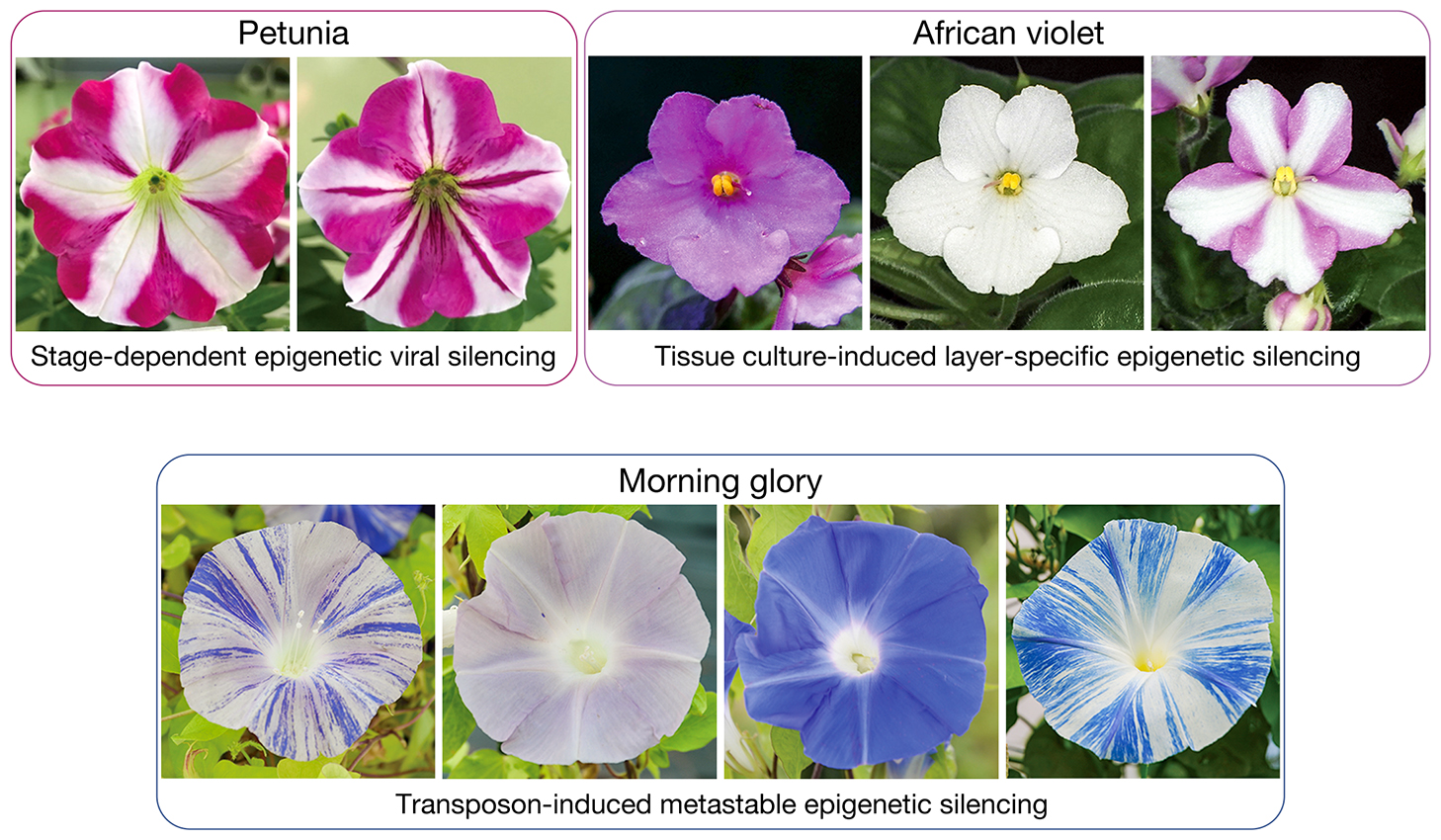
Sho Ohno, Atsushi Hoshino
October 15, 2026;
doi: https://doi.org/10.2503/hortj.SZD-R126
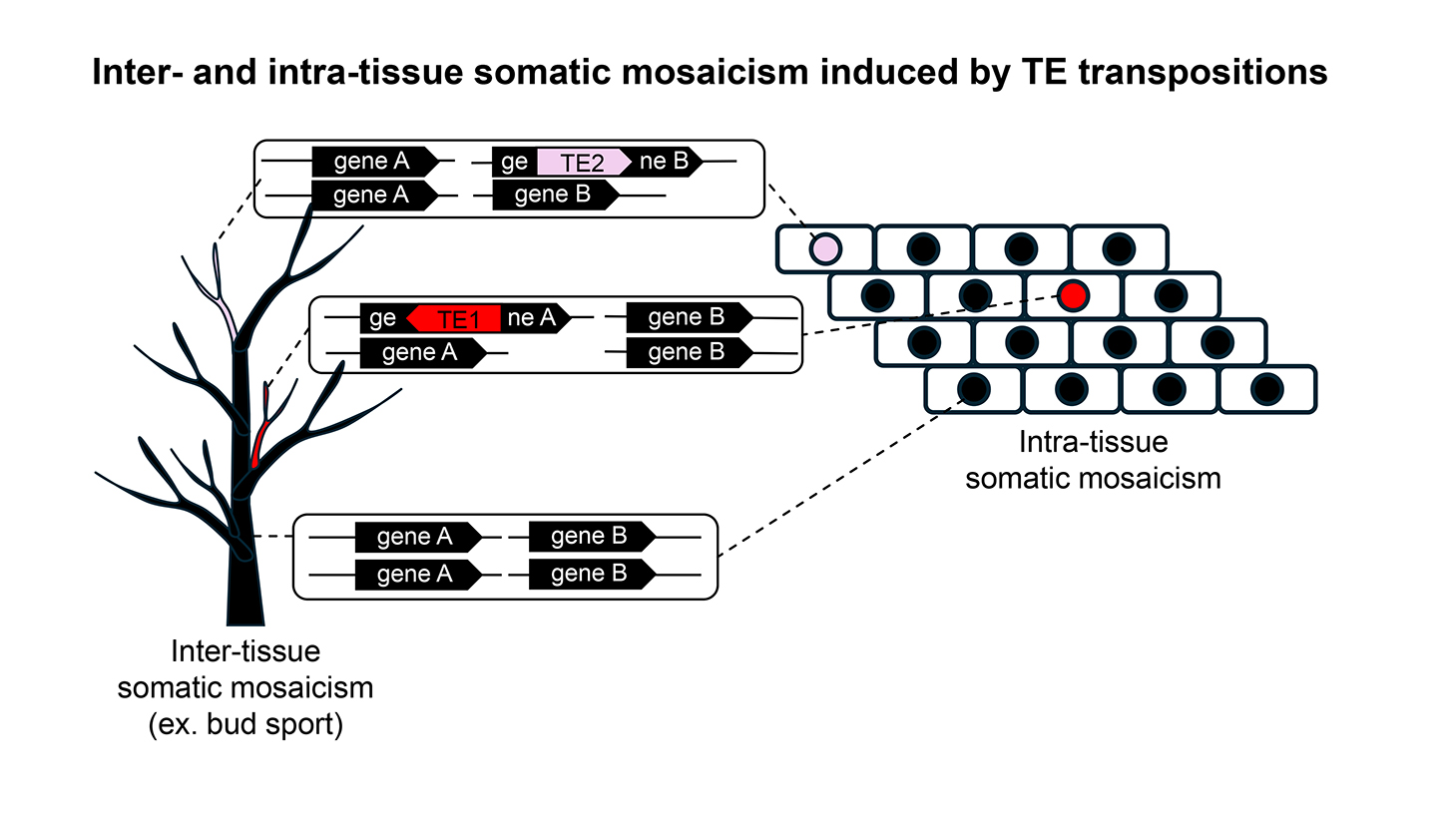
Eigo Fukai, Ahsen Gers
October 15, 2026;
doi: https://doi.org/10.2503/hortj.SZD-R013
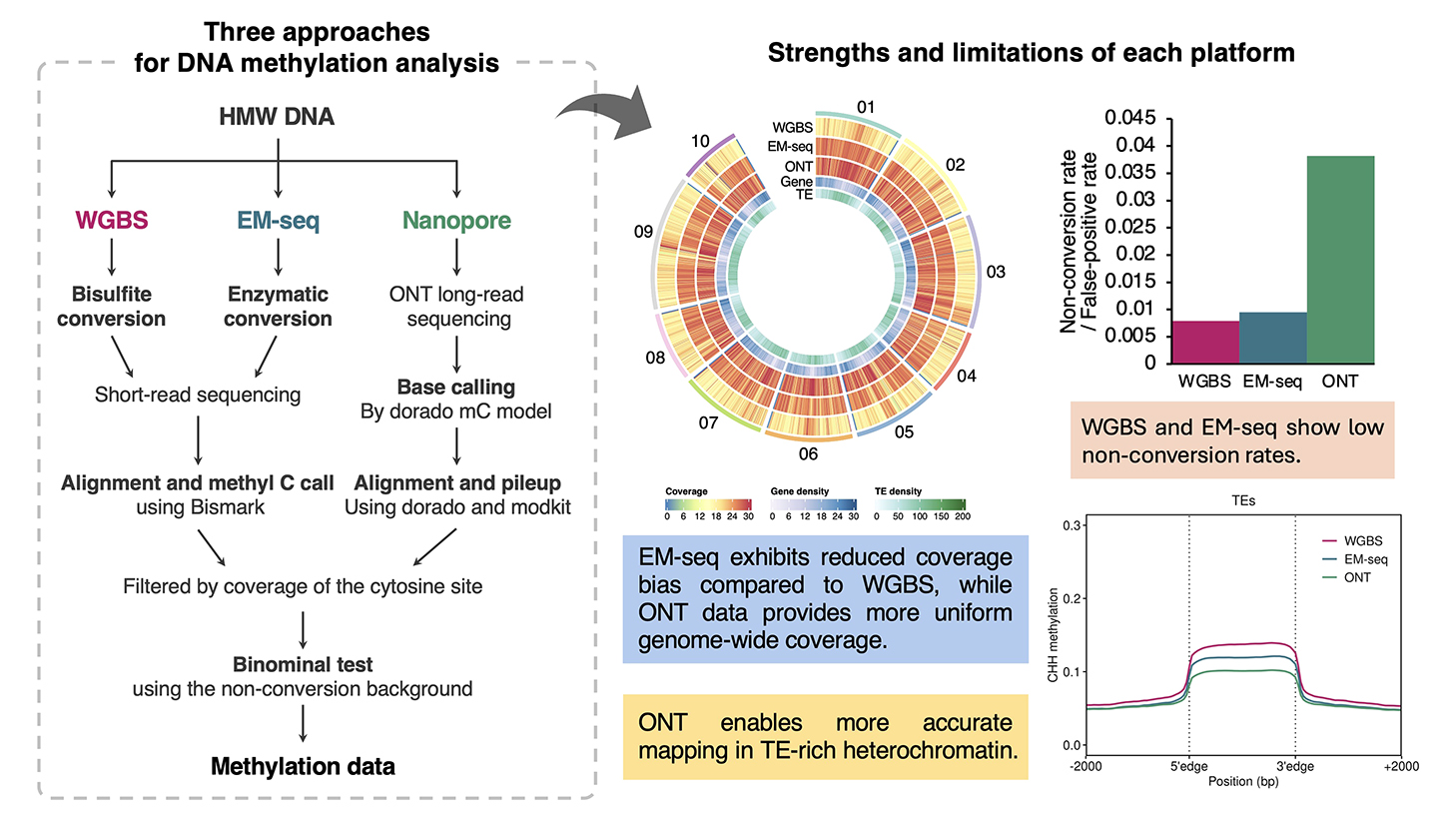
Mei Iwamura, Renmin Wu, Naomi Miyaji, Ayasha Akter, Motoki Shimizu, Ryo Fujimoto, Kaoru Tonosaki
October 15, 2026;
doi: https://doi.org/10.2503/hortj.SZD-R125
|
 |

Editors’ Affiliation
1 Graduate School of Agricultural Science, Kobe University
2 Institute of Vegetable and Floriculture Science, NARO
3 Department of Plant Science and Technology, College of Biotechnology, Chung-Ang University